


Cosmetics Manufacturing Insights
-
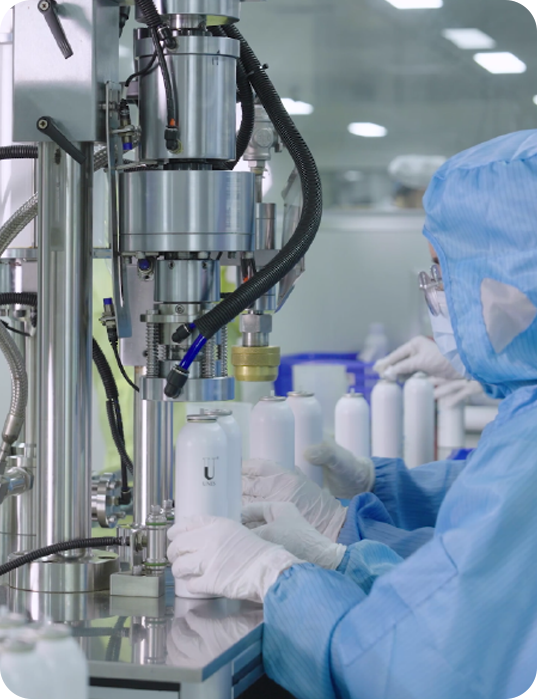
MOQ and Unit Cost: The Real Economics of a 3,000-Unit Run
Most first-time founders price a launch on the formula alone. In practice four other lines — components, filling, testing and freight — decide whether 3,000 units is viable at all.
-
How to Choose a Contract Manufacturer for Your First Skincare Line
What to check before you sign: batch minimums, in-house filling, testing scope, and the four questions that separate a real OEM from a trading company.
-
Private Label vs OEM vs ODM: What Each One Really Buys You
Private label gets you a catalogue formula. OEM gets you your formula made by someone else. ODM gets you both, and the differences show up in cost, timeline and IP.
-

Cosmetic Packaging MOQs: A Practical Guide for Small Brands
Bottles, pumps and cartons each carry their own minimums. Here is how to combine them so a 3,000-unit run stays inside budget.
-
Stability Testing for Skincare: Timeline, Cost and What Fails
A realistic schedule for stability and compatibility testing, the failures that recur most often, and how to avoid re-running a batch.
-
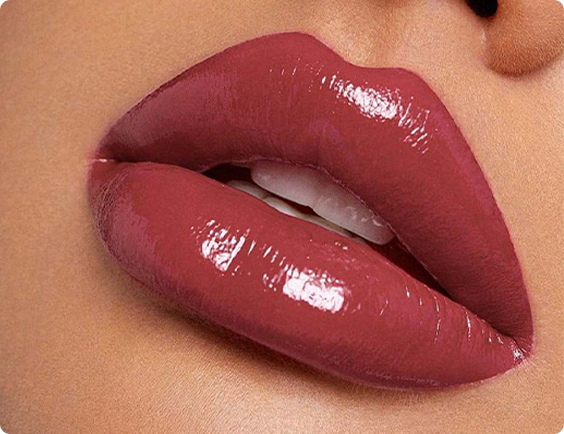
Filling Lines Explained: Why Small Runs Cost More Per Unit
Filling is quoted in hours, not pieces. Understanding setup, cleaning and validation time changes how you plan a first production run.
-
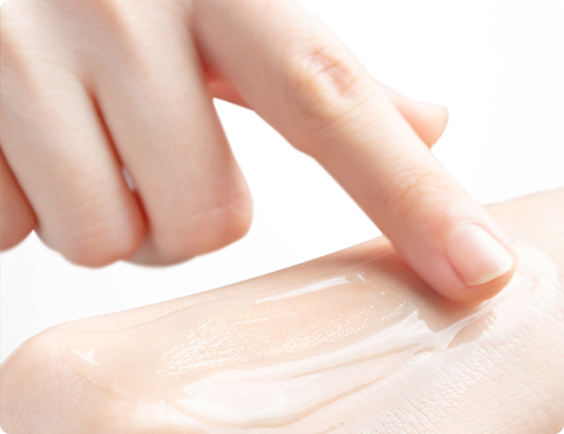
Exporting Cosmetics from China: Documentation Checklist
From safety assessment to certificate of free sale, the documents that hold up a shipment and how long each one actually takes.
-
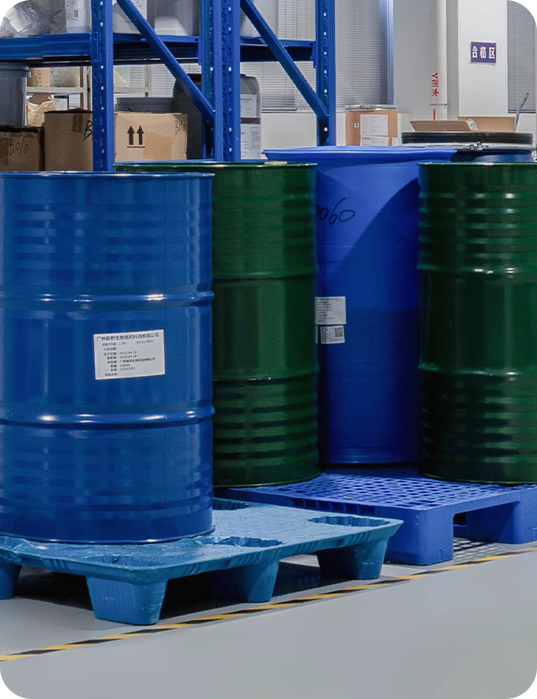
Formulating for Sensitive Skin: What Changes at the Factory
Preservative choice, pH window and raw material sourcing all shift when a formula is designed for reactive skin — and so does the test plan.
-
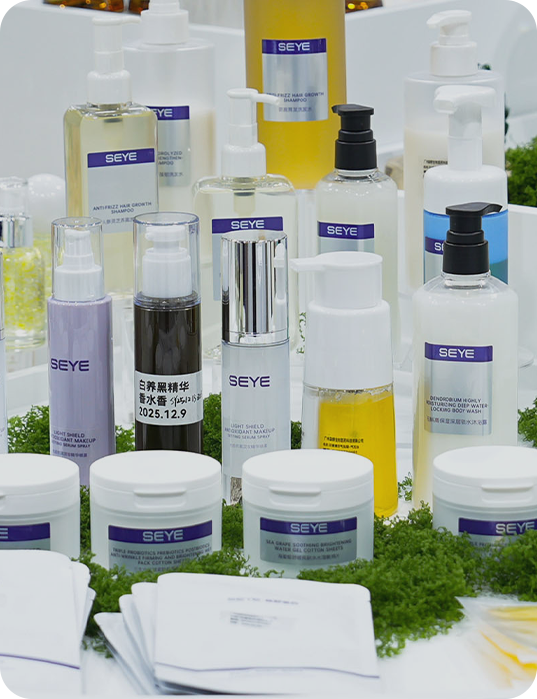
From Sample to Shelf: A Realistic 16-Week Launch Timeline
A week-by-week plan for a first skincare launch, including the two stages that almost always run late and how to absorb the delay.
Ready to Start
Your Skincare
Project?
Your Skincare
Project?
Baiyun District, Guangzhou,
China 510000